
Scenarios
Nine jobs this was built for.
Each one ranked on four things together: does the job genuinely need more than 2 kWh, does silence or emissions-freedom carry real value, is there a budget holder who buys equipment, and how long is the buying cycle. A vertical that scores well on need but has no budget holder is a research project, not a market.
Tier one
Real budget, short cycles, obvious fit.
These four are where the product is already the answer and somebody has money to spend on it.
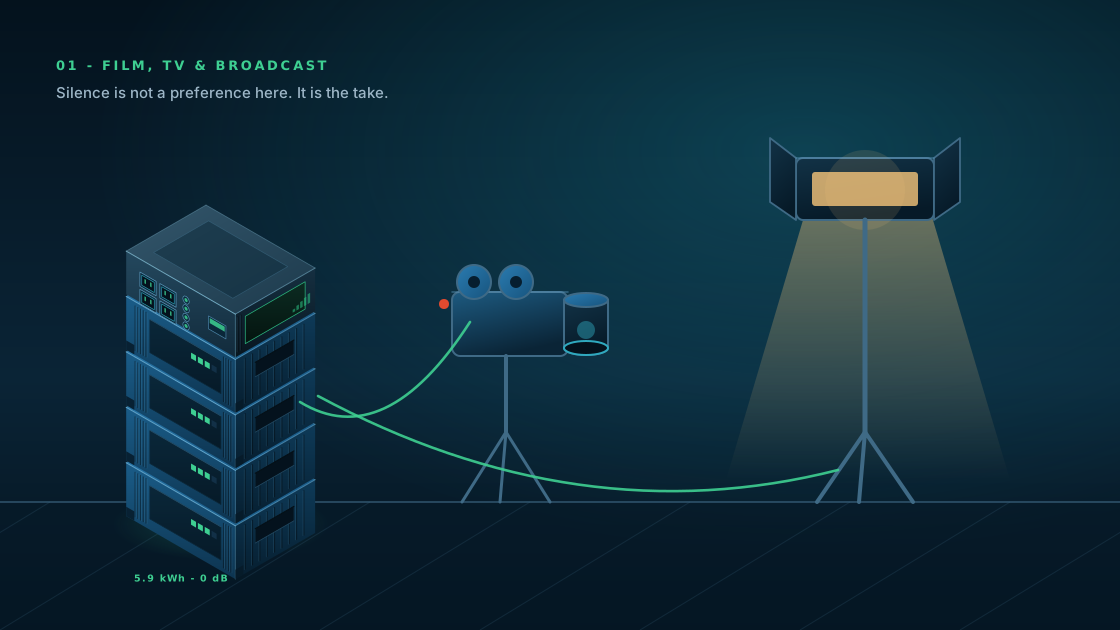
Film, TV & broadcast
Batteries get placed next to talent, where nothing with an engine can go. 5.9 kWh covers a lighting package for a shift, silently, from a unit a grip can wheel onto the floor.
Read the scenario →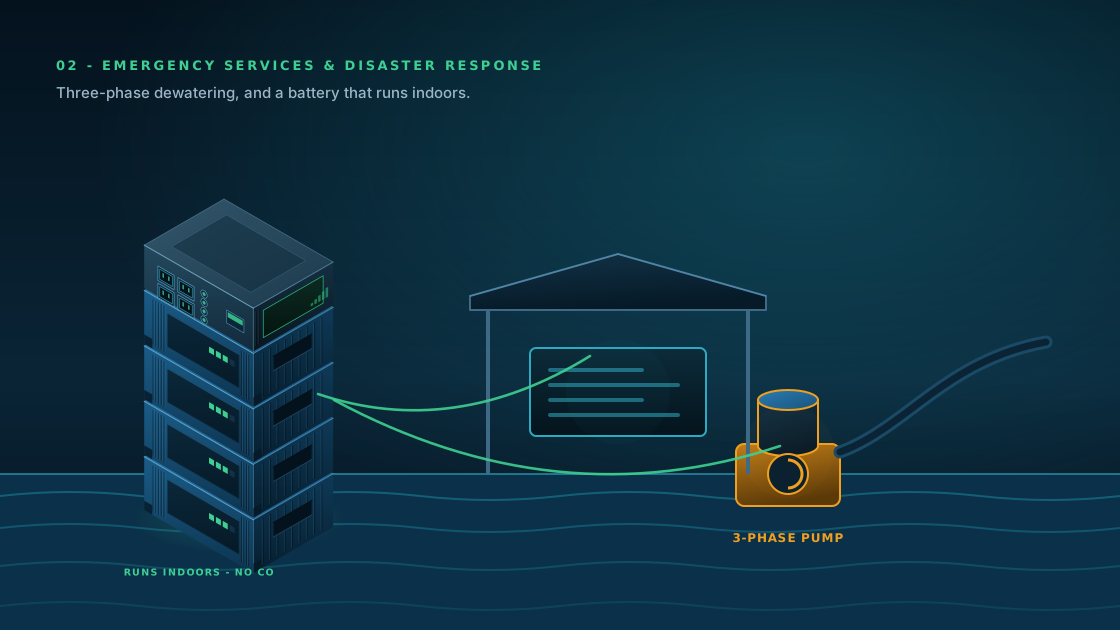
Emergency services & disaster response
Roughly 85 Americans die each year from portable-generator carbon monoxide, and the toll spikes after every hurricane. A fanless battery that runs indoors is a different category of product to a fire chief.
Read the scenario →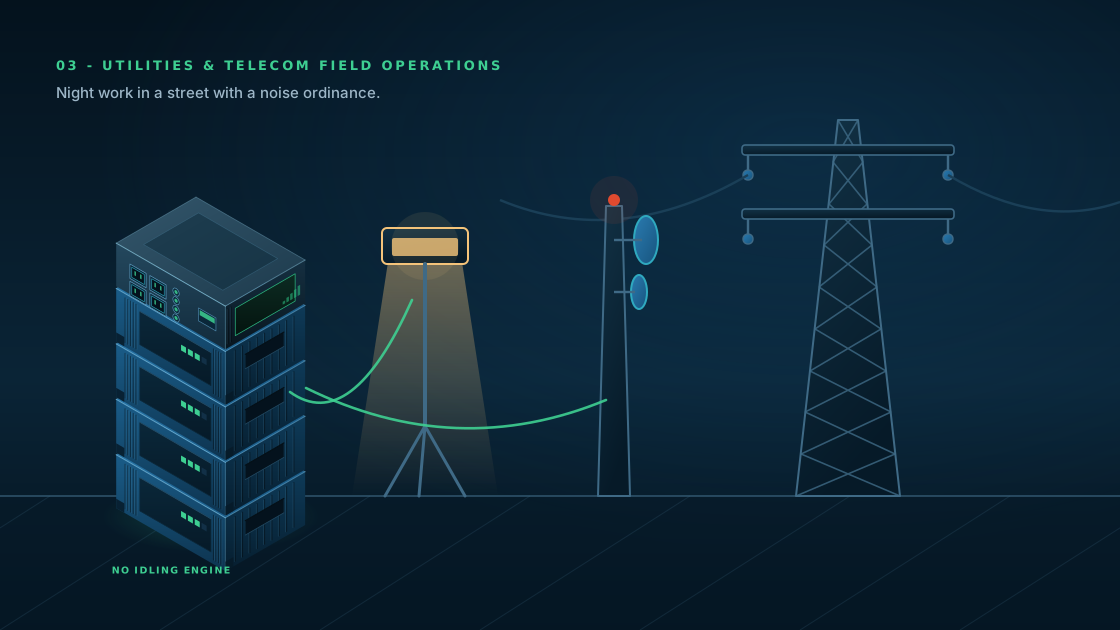
Utilities & telecom field operations
Line crews, substation maintenance, tower service and fibre splicing all run test gear, tools and lighting far from a panel — frequently at night in residential areas where noise ordinances bite.
Read the scenario →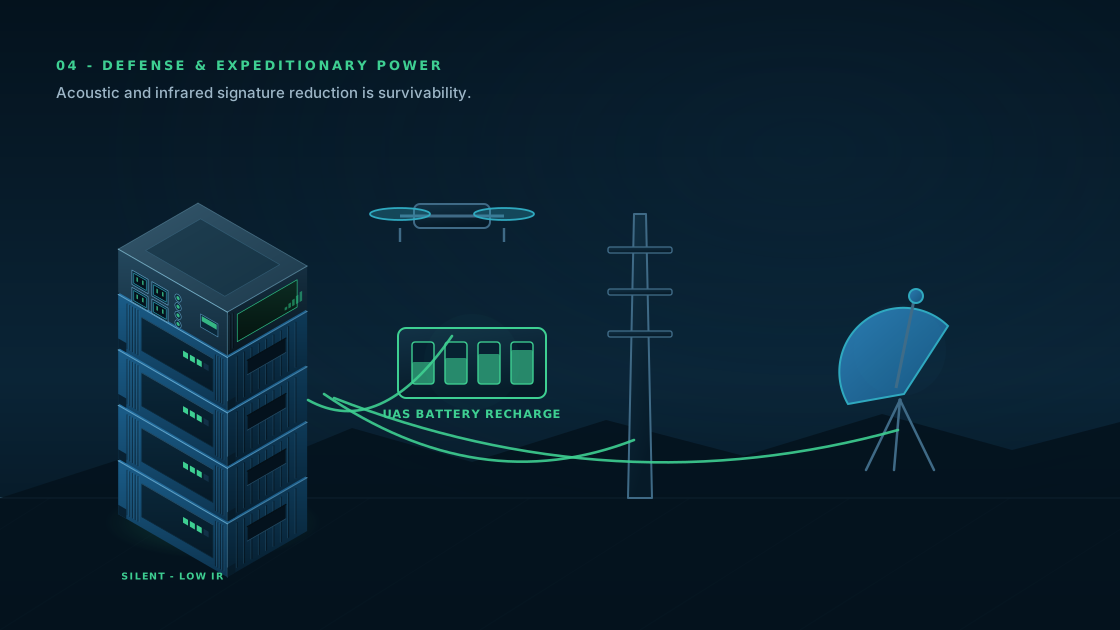
Defense & expeditionary power
The highest margin and the best fit for the underlying physics. Acoustic and infrared signature reduction is survivability, and field recharging of drone batteries is a large, urgent and badly served load.
Read the scenario →Tier two
Real revenue, but a harder sale.
Either a longer cycle, a wider certification scope, or a fight with an incumbent who got there first.
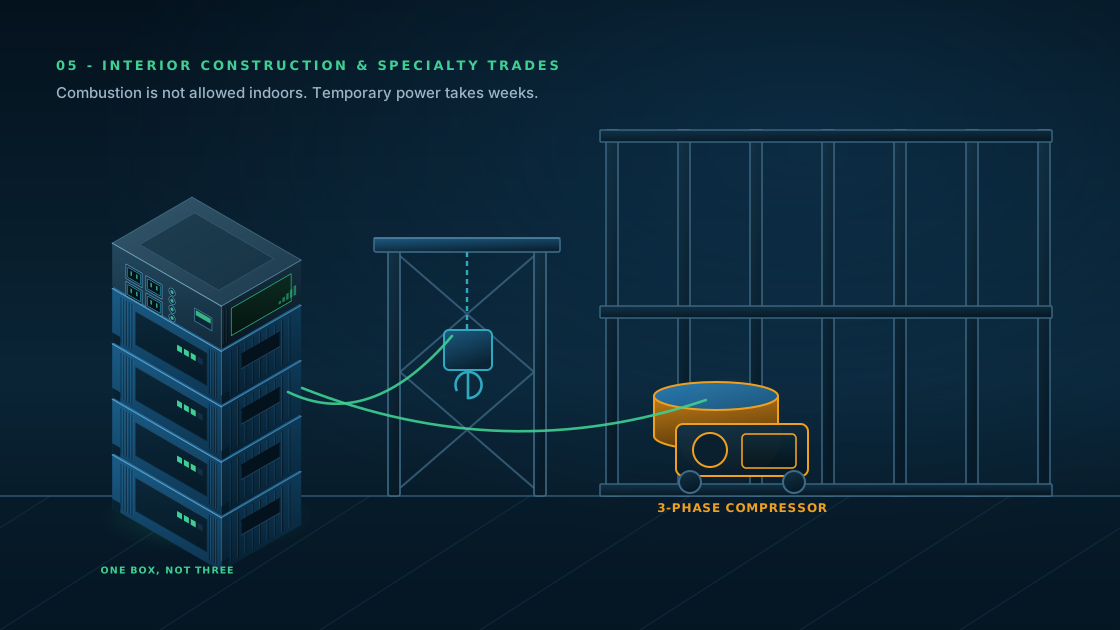
Interior construction & specialty trades
Fit-out and renovation work where an engine simply cannot run, and a temporary power hookup costs thousands and takes weeks to schedule.
Read the scenario →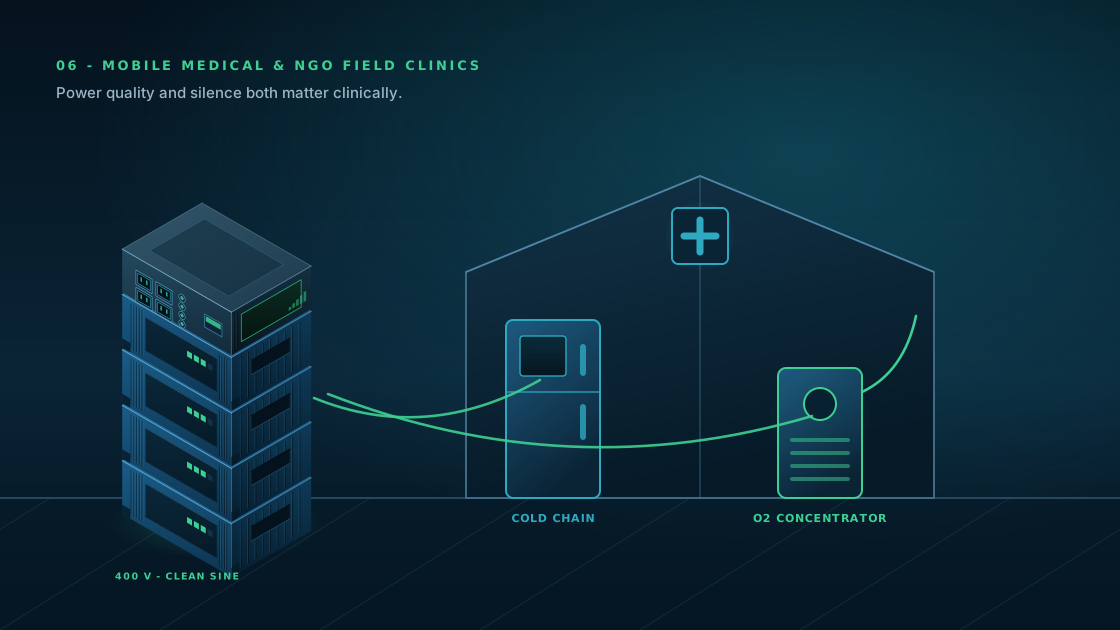
Mobile medical & NGO field clinics
Imaging vans, dental and veterinary units, vaccination drives and field hospitals. The cold chain is the load that cannot be interrupted, and donor-funded buyers purchase in fleets.
Read the scenario →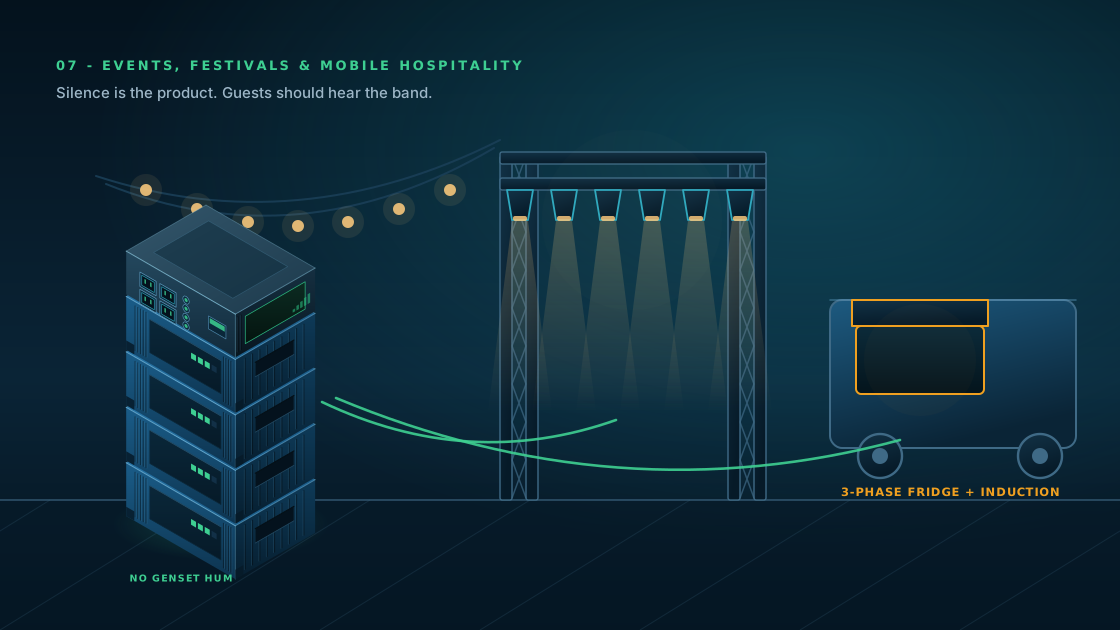
Events, festivals & mobile hospitality
Food trucks, stages, vendor rows and pop-up retail — refrigeration and induction that has to run without an engine behind the crowd. Decisions are fast and the rental channel is the same one film uses.
Read the scenario →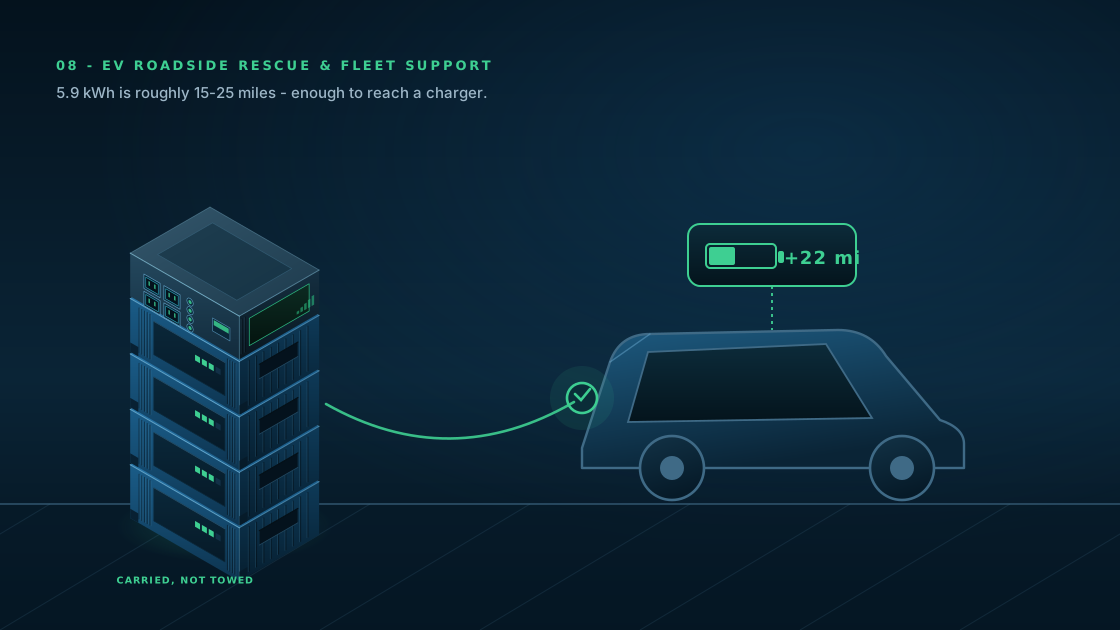
EV roadside rescue & fleet support
5.9 kWh gets a stranded EV to the nearest charger, and the same unit does dealership lot moves and depot yard work without installed infrastructure.
Read the scenario →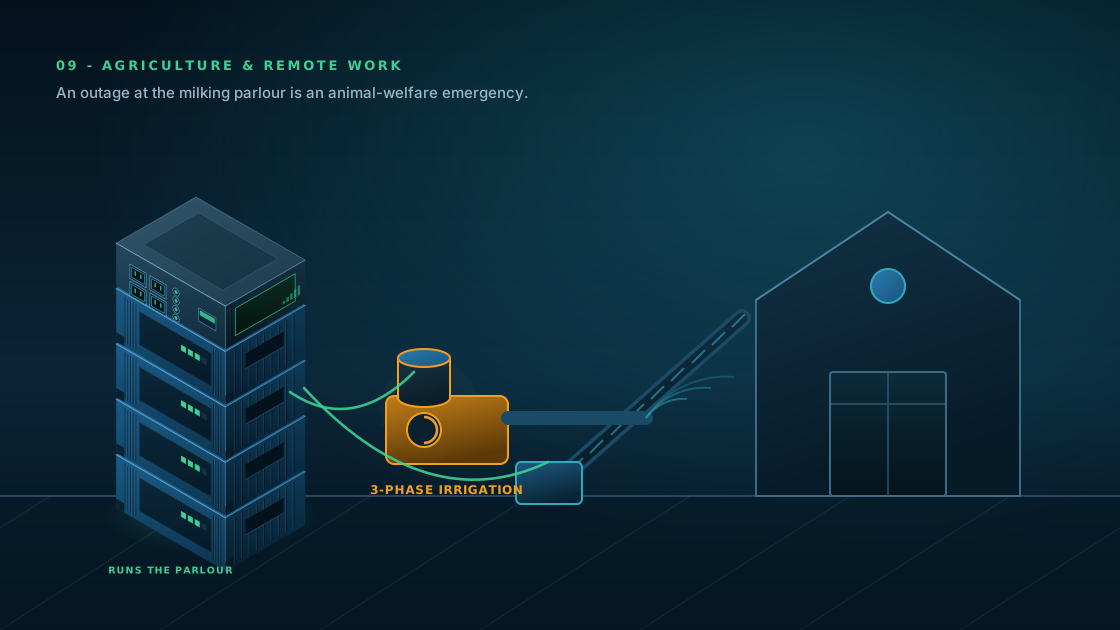
Agriculture & remote work
Irrigation pumps, grain augers, feed mixers and parlour vacuum pumps — motor loads far from a panel, where willingness to pay during an outage is very high.
Read the scenario →Tier three — deferred
And three we are not chasing.
Our differentiators are wasted in these, and we would be competing on price against better-capitalised incumbents. Listing them is more useful to you than pretending they are opportunities.
Whole-home backup
Powerwall and Delta Pro Ultra own this on cost per kWh. Portability earns nothing in a garage, and the buyer is comparing against installed systems.
Consumer camping and tailgating
Fully commoditised. We would not beat Chinese manufacturing on price, and the buyer cannot perceive the engineering they would be paying for.
Marine and RV
A genuinely good story — carbon monoxide kills on boats too — but the buyer expects consumer pricing. Worth revisiting once industrial volume has brought unit cost down.
Talk to us
Your job not on the list?
The catalogue above is where the odds are best, not the limit of what the product does. If you have a load that needs more than 2 kWh somewhere an engine cannot run, tell us about it.