
The situation
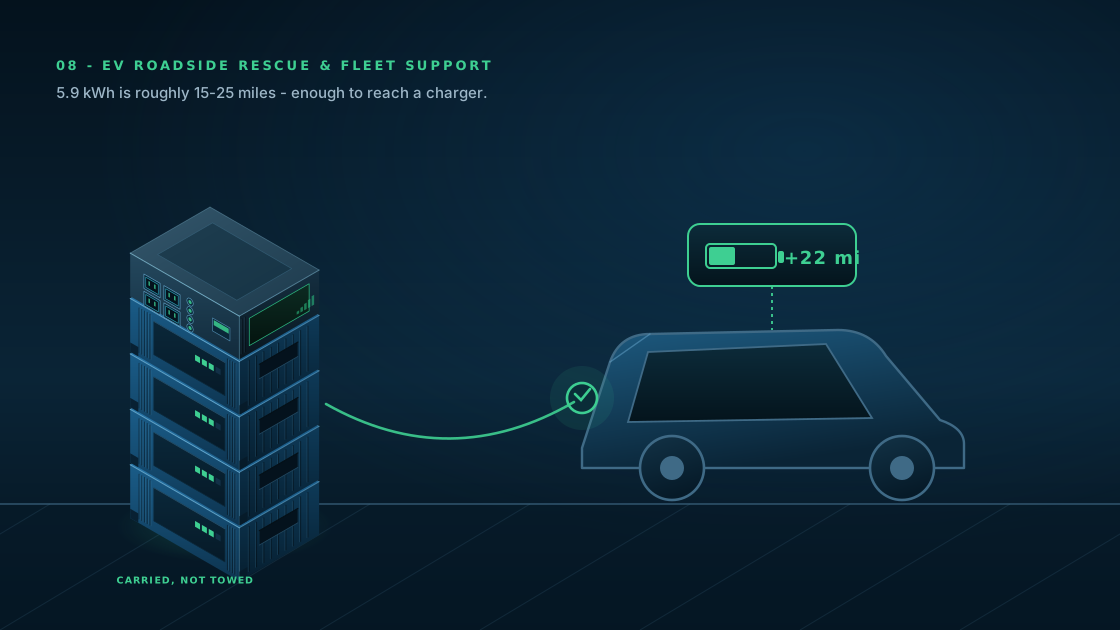
5.9 kWh gets a stranded EV to the nearest charger, and the same unit does dealership lot moves and depot yard work without installed infrastructure.
Nothing here needs more than single-phase, which makes it the simplest fit on the list. It earns a page because the market is growing quickly and the carry story stands on its own — but purpose-built mobile chargers already compete here, and a 6 kW ceiling limits how fast you can put miles back.
- Buyer
- Roadside assistance networks, dealer groups, fleet depots
- Replaces
- Flatbed tows for out-of-charge callouts; installed depot chargers
- Buying cycle
- 6–12 months; fleet and franchise driven
- Where to meet them
- NTEA Work Truck Week
The loads
What this scenario actually needs
Nothing on this list needs more than single-phase, which makes it the simplest fit of the nine. It earns its place on carry weight and silence, and we say so plainly below.
- Level 2 AC charging for a stranded vehicle at the roadside
- Dealership lot moves where no charger is installed
- Depot and yard shuffling for fleets mid-electrification
- Event and rally support charging
- Service-bay power where running a new circuit is not worth it
Why we are better here
The comparison that decides this job.
What you are living with today
- A flatbed tow for an out-of-charge vehicle is expensive and slow
- Purpose-built mobile chargers are heavy, vehicle-mounted, and cannot be carried
- Installed depot charging is capital expenditure against a fleet that is still changing
Solida Power in this scenario
- Carried to the vehicle rather than requiring the vehicle to come to it
- Modules scale the pack to the callout profile instead of one fixed size
- Silent and emission-free on a residential street or in an underground car park
- Same hardware serves depot, event and service-bay duty between callouts
Going deeper
Be honest about the ceiling
6 kW is the number that decides this vertical. It is a Level 2 charge rate, so the return is roughly 15–25 miles from a full pack — genuinely enough to reach a charger, and genuinely not a fast-charge product. Sell it as a rescue tool, not a charging solution, and it holds up.
The honest caveat
Purpose-built mobile chargers already compete here and some are better funded. This is a real market, but it is not where your differentiators are strongest.
Every scenario page carries one. If we cannot name the weakness in a use case, we do not understand it well enough to sell into it.
Keep reading
Other scenarios
Film, TV & broadcast
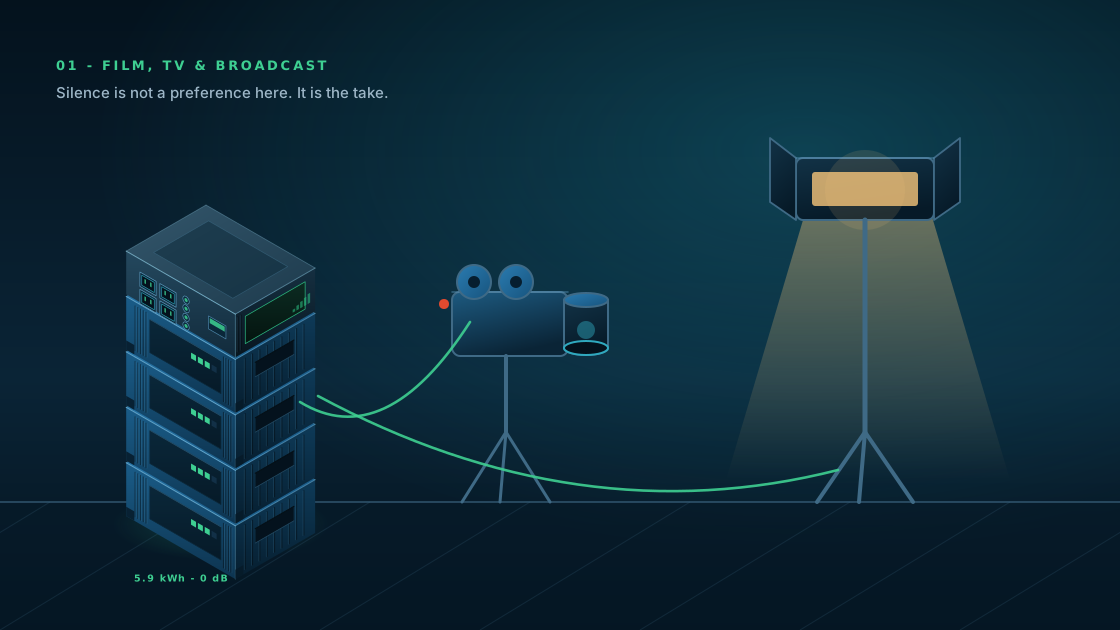
Batteries get placed next to talent, where nothing with an engine can go. 5.9 kWh covers a lighting package for a shift, silently, from a unit a grip can wheel onto the floor.
Read the scenario →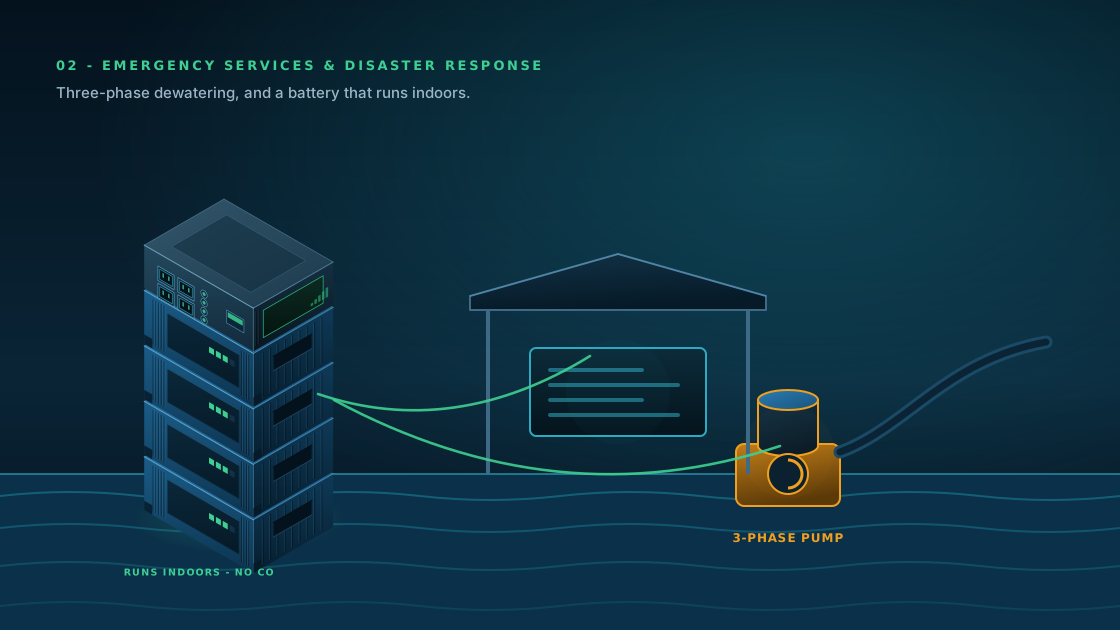
Emergency services & disaster response
Roughly 85 Americans die each year from portable-generator carbon monoxide, and the toll spikes after every hurricane. A fanless battery that runs indoors is a different category of product to a fire chief.
Read the scenario →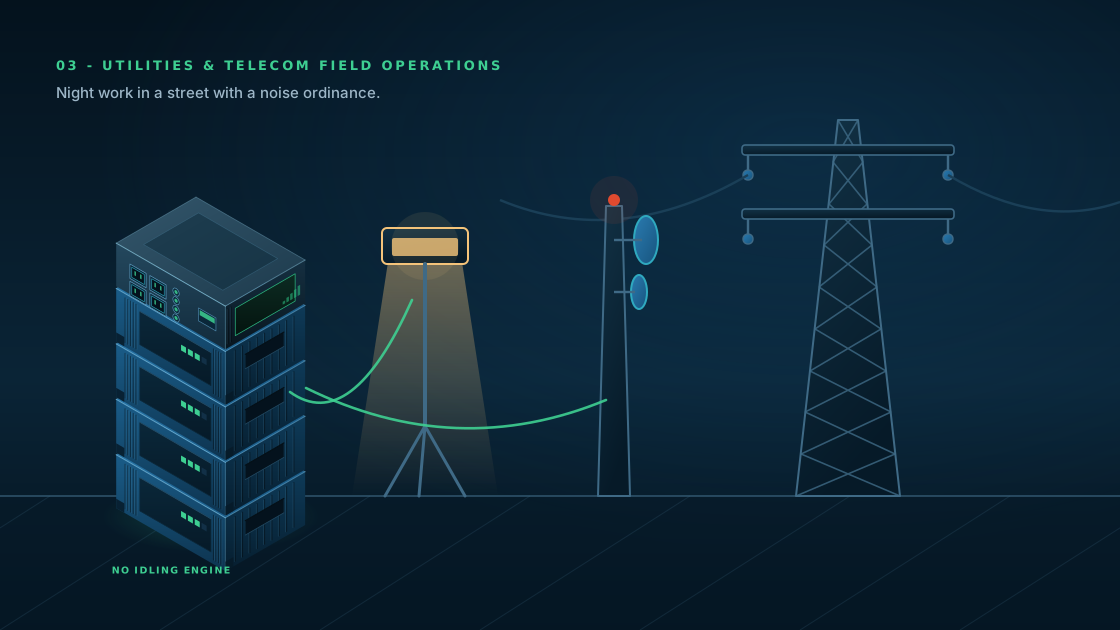
Utilities & telecom field operations
Line crews, substation maintenance, tower service and fibre splicing all run test gear, tools and lighting far from a panel — frequently at night in residential areas where noise ordinances bite.
Read the scenario →Talk to us
Working in ev roadside and fleet?
Tell us the loads and the fleet size. We run instrumented 60-day loaners for serious evaluations — you get your own utilisation data rather than our assumptions.